Sleep optimization has become a powerful rebellion against the toxic productivity culture. The “sleepmaxxing” trend is flipping the script on hustle culture, with more people recognizing that prioritizing deep, restorative sleep isn’t laziness—it’s the smartest performance hack available. While entrepreneurs and influencers once bragged about 4am wake-ups and 18-hour workdays, a growing movement is championing the radical notion that being well-rested actually makes you more effective at everything.
Key Takeaways
- Sleep deprivation costs the US economy $411 billion annually in lost productivity
- Elite athletes like LeBron James prioritize 12+ hours of sleep for peak performance
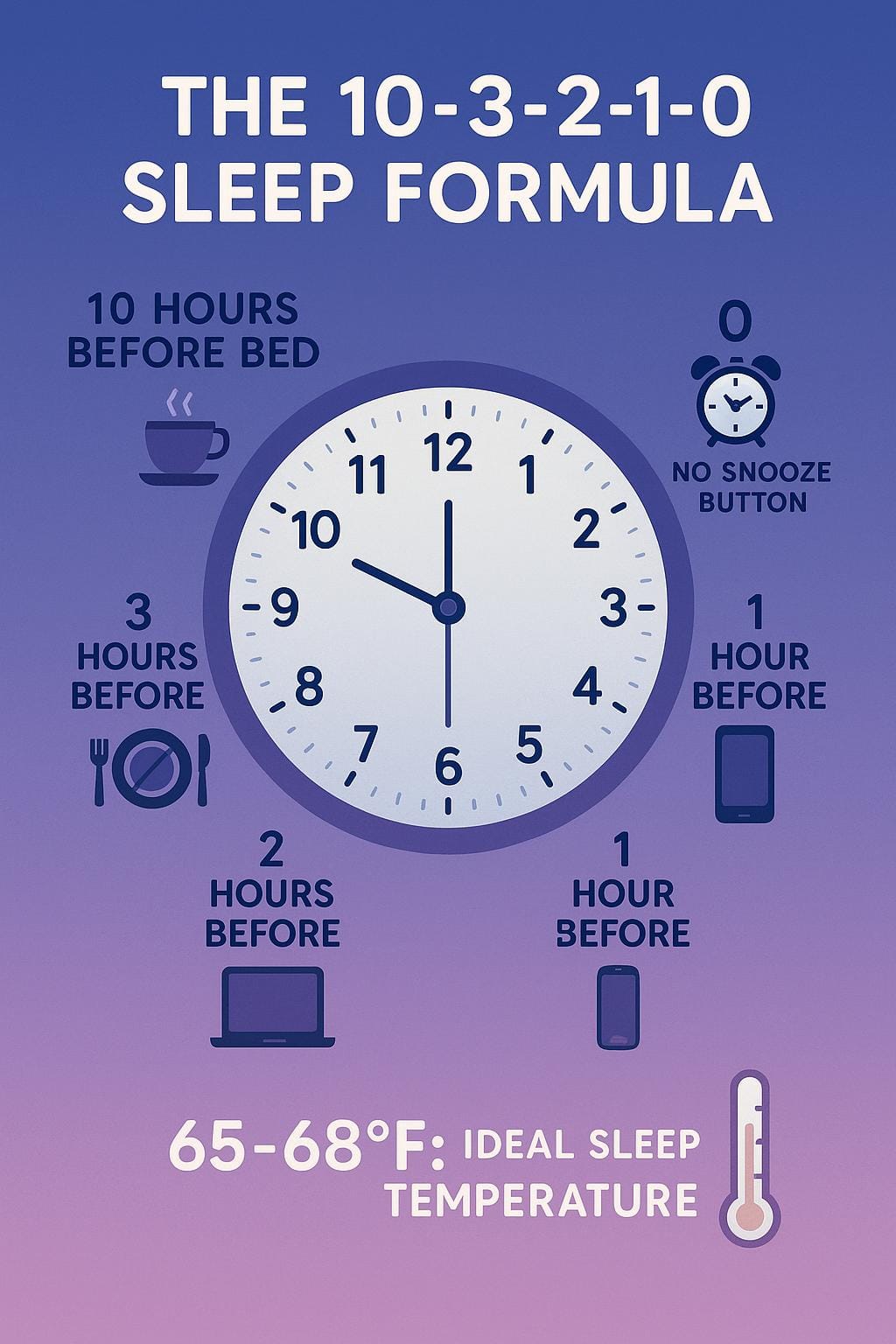
- The ideal bedroom temperature range is 65-68°F (18-20°C) for optimal sleep quality
- Cognitive Behavioral Therapy for Insomnia (CBT-I) has 70-80% success rates, outperforming sleep medications
- The 10-3-2-1-0 formula offers a structured approach to transform your sleep hygiene routine
This post contains affiliate links. As an Amazon Associate, I earn from qualifying purchases at no extra cost to you. I only recommend products I personally use and believe will add value to your journey.
The Rise of Sleep Rebels: Why Sleepmaxxing is Trending
“I’ll sleep when I’m dead” is officially dead itself. Sleep optimization (or “sleepmaxxing” as the internet calls it) has emerged as a direct counter-movement to the burnout-inducing hustle culture that dominated the last decade. While Gary Vee was telling you to work 18-hour days, your body was quietly rebelling.
The numbers don’t lie. According to CDC data, 70% of adults report insufficient sleep at least one night per month, with 11% struggling every single night. Sleep deprivation isn’t just making us cranky—it’s literally costing the US economy $411 billion annually in lost productivity, accidents, and healthcare costs.
📦 Essential Sleep Environment Upgrades
- 🔗 Total blackout curtains that block 100% of light
- 🔗 Cooling mattress system that maintains perfect temperature
- 🔗 Fan-based white noise machine for consistent sound masking
As an Amazon Associate, I earn from qualifying purchases.
Elite athletes have been hip to this for years. LeBron James and Roger Federer clock 12 hours of sleep nightly during competition seasons. These world-class performers aren’t lazy—they’re strategically optimizing recovery because they understand that championship-level performance starts with championship-level sleep.
The Science Behind Sleep: Why Your Brain Needs It
Your brain isn’t just passively resting during sleep—it’s performing critical maintenance. The four stages of sleep (N1, N2, N3, and REM) each serve specific functions, from memory consolidation to emotional processing and physical recovery.
Sleep architecture isn’t just fancy scientist-speak. Each sleep cycle runs about 90 minutes, and your brain needs to cycle through all stages multiple times to function optimally. When you cut sleep short, you’re mostly robbing yourself of REM and deep sleep—the stages that boost creativity and problem-solving abilities.
Your circadian rhythm isn’t just about feeling tired at night. This internal clock regulates hormone production, body temperature, metabolism, and countless other processes. Consistent sleep-wake times strengthen this rhythm, while irregular patterns (like weekend sleep binges) disrupt it.
After testing dozens of options, I found this sleep tracker works best because it monitors your sleep cycles without being intrusive, giving you actionable data to improve your sleep quality.
Related Guides: Check out our related articles for more helpful tips and insights.
Building Your Sleep Fortress: Environmental Factors
Temperature might be the most underrated sleep factor. Your body needs to drop its core temperature to initiate sleep, which is why the ideal bedroom temperature is 65-68°F (18-20°C). Studies show even small deviations from this range can dramatically reduce deep sleep quality.
Light exposure is sleep’s kryptonite. Blue light from screens suppresses melatonin production by up to 50% when used in the 2-3 hours before bed. I’ve found these specific blue blockers effectively filter the most disruptive wavelengths when I need to use devices in the evening.
Sound engineering your bedroom pays major dividends. White noise machines improve sleep quality by 43% in clinical studies, especially for urban dwellers. Complete silence works best for some, while consistent background noise helps others by masking disruptive sounds.
Behavioral Changes That Transform Your Sleep
Exercise timing matters more than you think. While regular physical activity improves sleep quality by about 65%, working out raises core body temperature for 4-5 hours afterward. Scheduling workouts at least 3 hours before bedtime gives your body time to cool down properly.
Caffeine has a half-life of 5-6 hours, which means that 2pm coffee is still hanging around at 10pm. For sensitive individuals (like me), even this reduced amount can wreck sleep quality. The same goes for alcohol—despite making you drowsy, it reduces REM sleep by 40%.
📦 Effective Sleep Supplements
- 🔗 Magnesium glycinate powder for muscle relaxation
- 🔗 Pharmaceutical-grade L-theanine for anxiety reduction
- 🔗 Low-dose melatonin (research shows less is more)
As an Amazon Associate, I earn from qualifying purchases.
The 10-3-2-1-0 formula has revolutionized my pre-sleep routine: No caffeine 10 hours before bed, no food 3 hours before, no work 2 hours before, no screens 1 hour before, and zero hitting snooze in the morning. This structured approach aligns with your body’s natural wind-down process.
Related Guides: Check out our related articles for more helpful tips and insights.
Emergency Sleep Reset Protocol
When sleep gets broken, you need a reset strategy. The 25-minute rule is my go-to: if you can’t fall asleep within 25 minutes, get up and do something boring and low-light until you feel sleepy again. This stimulus control therapy has success rates over 80%.
Cognitive Behavioral Therapy for Insomnia (CBT-I) outperforms sleeping pills with 70-80% effectiveness rates compared to medication’s 30-45%. The quickest fix I’ve found is using this tool which takes just 5 minutes daily to retrain your brain’s sleep association patterns.
For supplement effectiveness, less is often more. Melatonin works best at 0.3-1mg doses (not the 10mg bombs most brands sell). Magnesium glycinate (100-350mg) helps muscle relaxation, while L-theanine (200mg) reduces the time to fall asleep by about 14 minutes in research studies.
When your sleep problems persist beyond 3 weeks despite consistent efforts, it’s time to consult a specialist. Sleep apnea, chronic insomnia disorder, and other medical conditions require professional intervention. No amount of sleep hygiene tips can fix underlying health issues.
| Sleep Tech | Best For | Key Feature | Price Range | Shop Now |
|---|---|---|---|---|
| Oura Ring Gen 3 | Sleep Tracking | Non-Intrusive Monitoring | $$$ | View Deal |
| ChiliSleep OOLER | Temperature Regulation | Precise Cooling Control | $$$ | View Deal |
| Yogasleep Dohm Classic | Sound Masking | Natural Fan Sound | $ | View Deal |
As an Amazon Associate, I earn from qualifying purchases.
🛠️ My Complete Sleep Optimization Toolkit
Here’s everything I personally use and recommend:
Essential
Nice to Have
As an Amazon Associate, I earn from qualifying purchases.
📚 Recommended Reading
- 📖 Why We Sleep by Matthew Walker – The definitive guide to sleep science
- 📖 The Sleep Solution by Dr. Chris Winter – Practical strategies from a neurologist
As an Amazon Associate, I earn from qualifying purchases.
Sources
Centers for Disease Control and Prevention (CDC) – Sleep and Sleep Disorders
Harvard Medical School – Division of Sleep Medicine
Stanford University Sleep Research Center
RAND Corporation – Economic Impact of Sleep Deprivation