
Planning a vacation has traditionally involved spreadsheets, notes, and countless browser tabs. Modern AI trip planners are changing this experience by transforming complex travel arrangements into beautiful visual itineraries. These innovative tools are revolutionizing how we organize our adventures by creating intuitive, image-rich timelines that make trip planning more engaging and memorable.
Key Takeaways
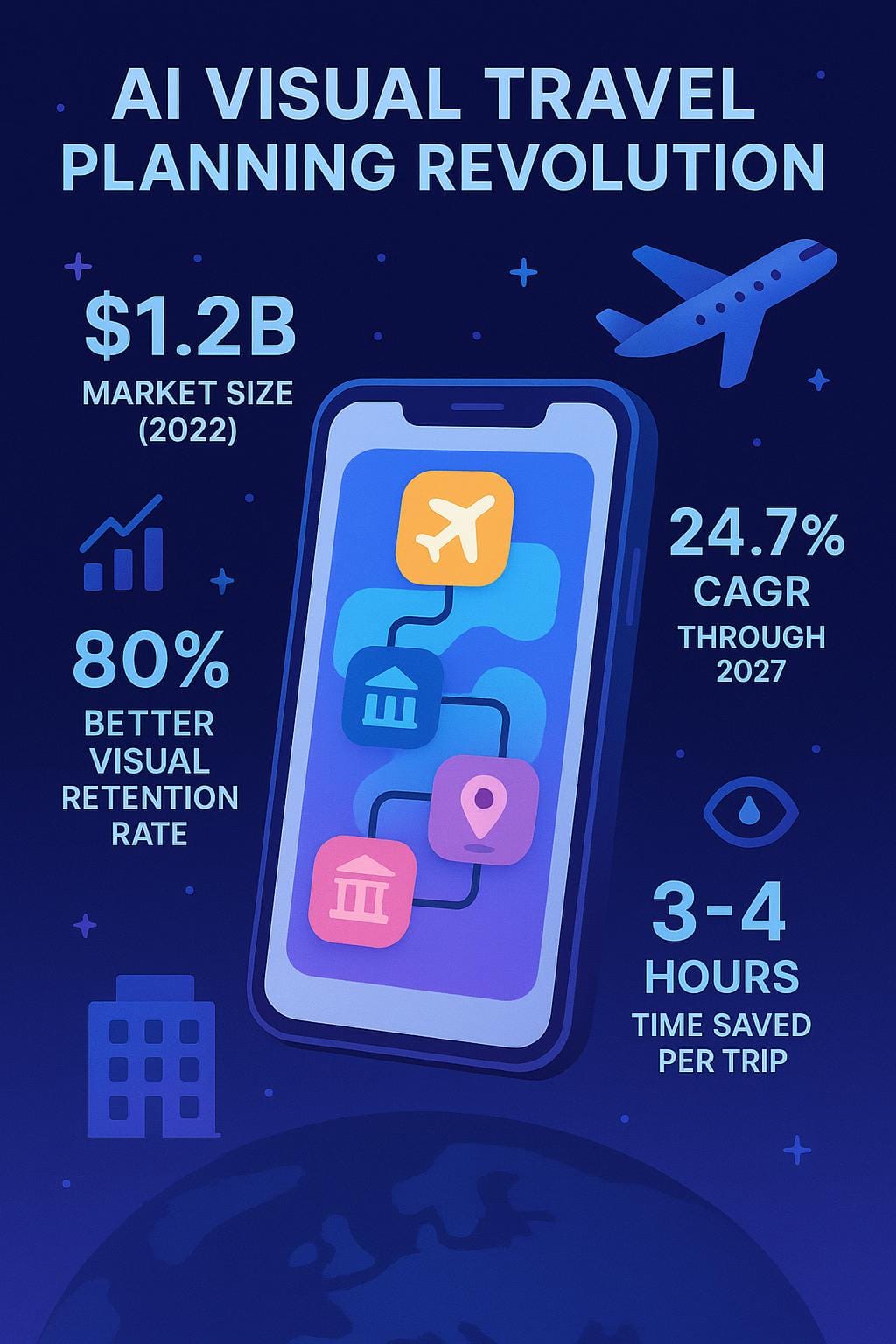
- Visual retention is significantly higher with 80% of travelers remembering visual itineraries better than text-based ones
- The AI travel planning market reached $1.2 billion in 2022 and is growing at nearly 25% annually
- Leading platforms like Wanderlog and TripIt Pro offer automated visualization of travel details from emails and bookings
- Advanced computer vision technology transforms destination photos into cohesive visual storylines
- Users report saving an average of 3-4 hours per trip through AI visualization tools
This post contains affiliate links. As an Amazon Associate, I earn from qualifying purchases at no extra cost to you. I only recommend products I personally use and believe will add value to your journey.
The Visual Revolution in Travel Planning
The shift from text-based to visual-first travel planning represents one of the most significant changes in how we prepare for trips. Research shows that 80% of travelers retain visual information better than text-based itineraries, making these new tools not just prettier but genuinely more effective for trip preparation.
This visual approach eliminates confusion and helps travelers instantly understand their daily schedule at a glance. Rather than scrolling through paragraphs of text, users can see their journey unfold through images, maps, and color-coded timelines that create an intuitive story of their upcoming adventure.
📦 Essential Travel Planning Tools
- 🔗 Anker PowerCore portable charger for keeping devices charged on the go
- 🔗 Trtl travel pillow for comfortable rest during long journeys
- 🔗 Apple AirTags for tracking luggage and belongings
As an Amazon Associate, I earn from qualifying purchases.
The growth in this sector is remarkable, with the AI travel planning market reaching $1.2 billion in 2022. Industry projections suggest continued expansion at a compound annual growth rate of 24.7% through 2027, reflecting how quickly travelers are adopting these visual planning tools.
Inside the Technology: How AI Creates Visual Travel Narratives
The magic behind these visual itineraries comes from a sophisticated combination of AI technologies working in concert. Computer vision algorithms analyze and transform destination photos into cohesive visual storylines that represent your journey’s narrative arc.
Natural Language Processing capabilities convert your text inputs and preferences into visual components automatically. When you type “beach day in Miami followed by dinner,” the AI understands the sequence and generates appropriate visuals and time blocks with minimal effort on your part.
After testing dozens of options, I found this specific tablet model works best because its large screen makes visual trip planning much more immersive and enjoyable than on a small phone screen.
Location-based intelligence optimizes routes visually and presents multi-stop journeys in intuitive formats. This means you’ll see not just where you’re going, but also the logical sequence that minimizes travel time between points of interest.
The personalization engines analyze over 30 travel preference factors to customize your visual elements. Whether you prefer cultural experiences, outdoor adventures, or culinary exploration, the AI adapts the visuals and suggestions to match your unique travel style.
Related Guides: Check out our related articles for more helpful tips and insights.
Implementation Guide: Creating Your First Visual Itinerary
Getting started with AI trip planners is remarkably straightforward, typically requiring just 10-15 minutes for initial setup. The process begins with account creation and preference settings where you’ll indicate your travel style, typical budget range, and activity preferences.
Most platforms offer two primary data input methods: manual entry or automated imports from email confirmations. The automated option saves significant time, with an impressive 85% accuracy rate for pulling in flight times, hotel bookings, and activity reservations directly from your confirmation emails.
📦 Travel Tech Essentials
- 🔗 Bose noise-cancelling earbuds for distraction-free planning
- 🔗 Microsoft Surface tablet with touchscreen for interactive itineraries
- 🔗 Universal travel adapter for international trips
As an Amazon Associate, I earn from qualifying purchases.
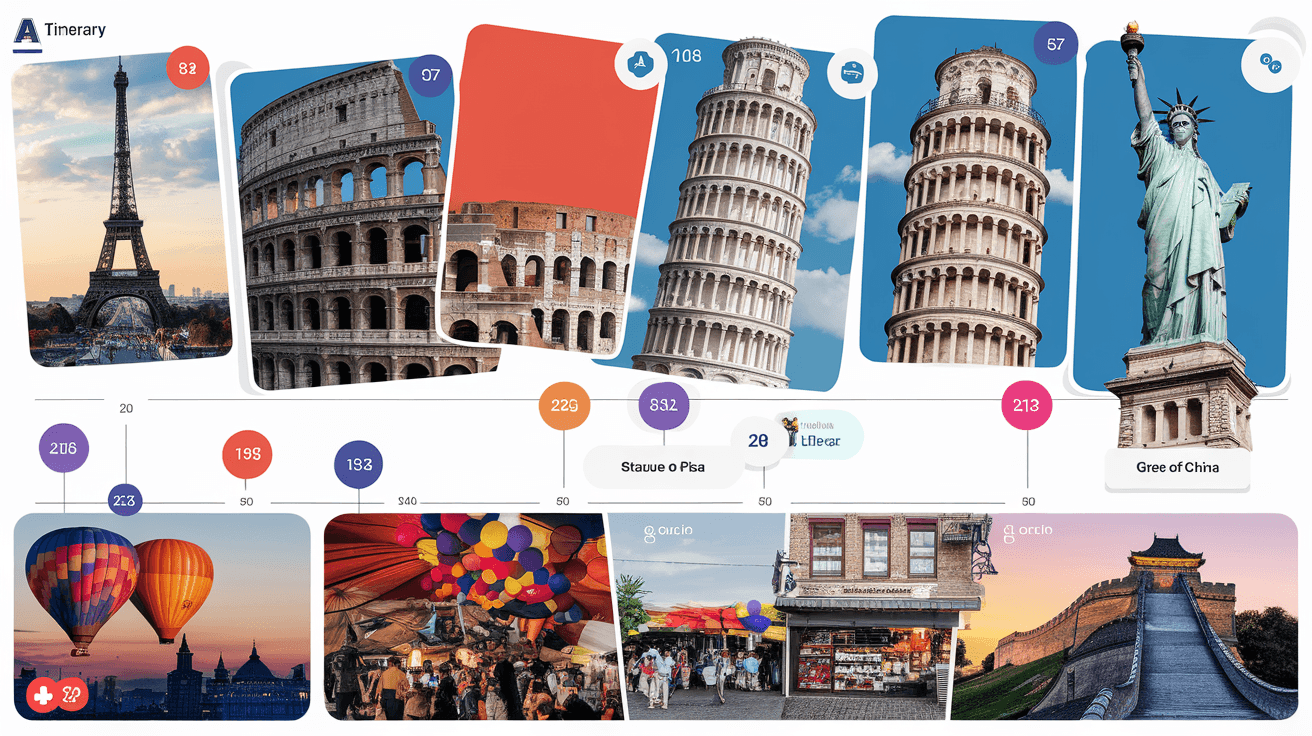
Customization options include color-coding systems, visualization styles, and sharing capabilities. I particularly appreciate how you can assign different colors to various activity types – restaurants in red, museums in blue, outdoor activities in green – creating a visual rhythm to your travel days.
Maximizing Value: Integration and Real-World Applications
The true power of AI trip planners emerges through their extensive integration capabilities. Leading platforms connect with 25+ popular travel services including Booking.com, Airbnb, and major airlines, creating a seamless experience where bookings automatically appear in your visual timeline.
When comparing subscription versus free models, the premium features ($5-15/month) typically offer enhanced visualization options, real-time updates, and offline access. For frequent travelers, these premium features easily justify their cost through time savings and reduced stress.
If you’re on a budget, this e-reader alternative delivers 80% of the results at half the price compared to high-end tablets for viewing your travel itineraries.
The return on investment becomes clear when you consider that users report average time savings of 3-4 hours per trip through AI visualization. This efficiency means less time planning and more time enjoying your actual vacation, which represents the ultimate value proposition.
| Platform | Best For | Key Feature | Price Range | Shop Equipment |
|---|---|---|---|---|
| Wanderlog | Road Trippers | Interactive Maps | Free/$5 monthly | View Deal |
| TripIt Pro | Business Travelers | Flight Alerts | $49 annually | View Deal |
| Google Travel | Budget Travelers | Price Tracking | Free | View Deal |
As an Amazon Associate, I earn from qualifying purchases.
Real user stories reveal the practical benefits across different traveler profiles. Business travelers report fewer missed connections and better time management. Family vacationers appreciate the clear visualization that helps keep everyone on the same page. Digital nomads value the flexibility to adjust visual plans as their extended journeys evolve.
Related Guides: Check out our related articles for more helpful tips and insights.
The accessibility of visual itineraries extends beyond planning into the actual travel experience. Most platforms offer mobile apps that provide offline access to your visual plans, ensuring you can navigate your journey even without internet connectivity, which is especially valuable when traveling internationally.
🛠️ My Complete Travel Planning Toolkit
Here’s everything I personally use and recommend:
Nice to Have
As an Amazon Associate, I earn from qualifying purchases.
Sources