The kitchen appliance industry has long concealed the dangerous chemicals used in non-stick cookware despite knowing the health risks for decades. Toxic PFAS chemicals found in traditional non-stick coatings have silently made their way into 99% of Americans’ bloodstreams, contributing to serious health conditions while companies continued marketing their products as safe. The air fryer revolution offers a promising alternative with models featuring ceramic, stainless steel, or glass components that eliminate PFAS exposure risks while still producing crispy, delicious fries with a fraction of the oil.
Key Takeaways
- DuPont settled a $670 million lawsuit for concealing PFAS health risks in their Teflon products
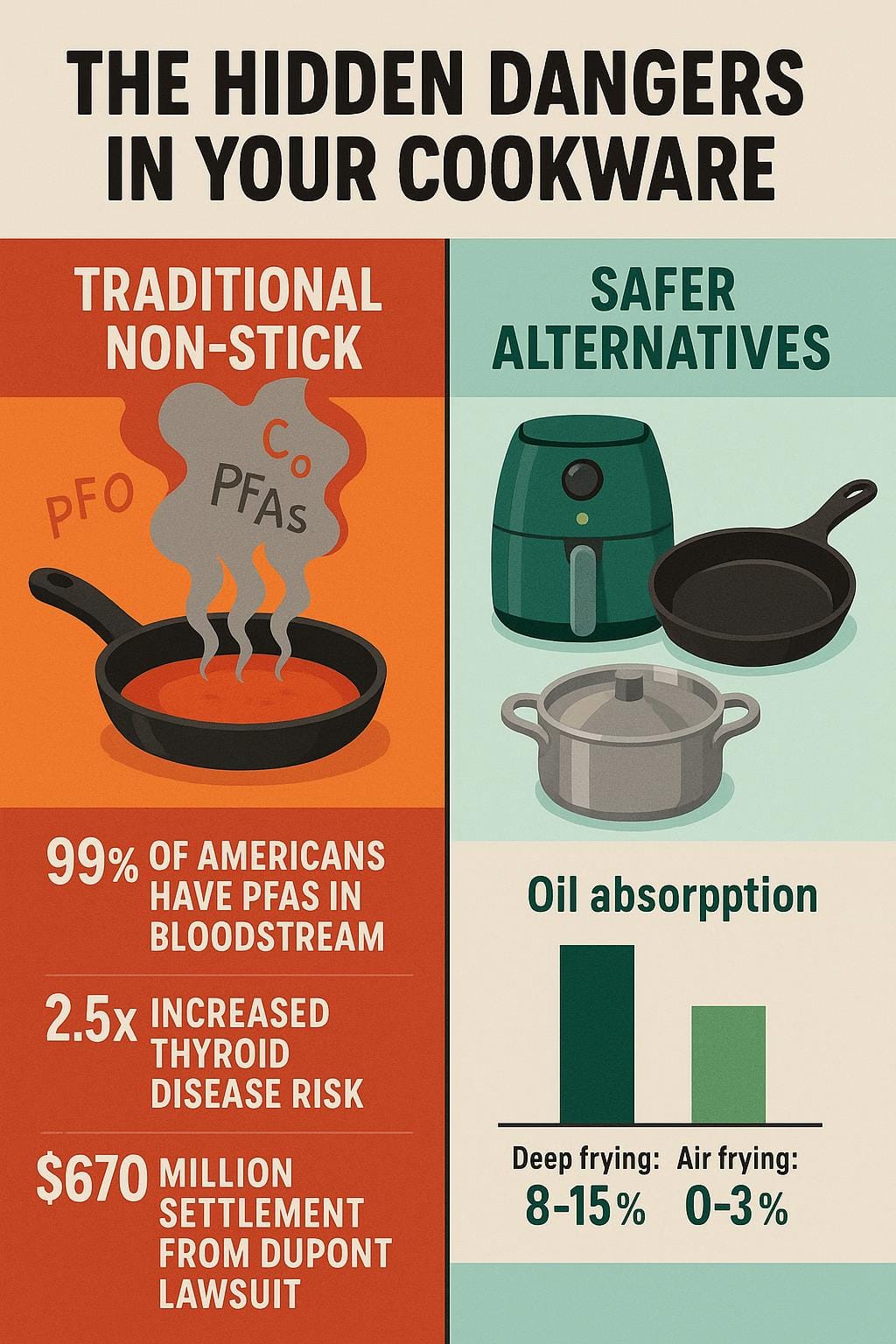
- Toxic PFAS chemicals from non-stick cookware are found in 99% of Americans’ bloodstreams
- Overheated Teflon pans release fumes that can cause polymer fume fever and kill household pets
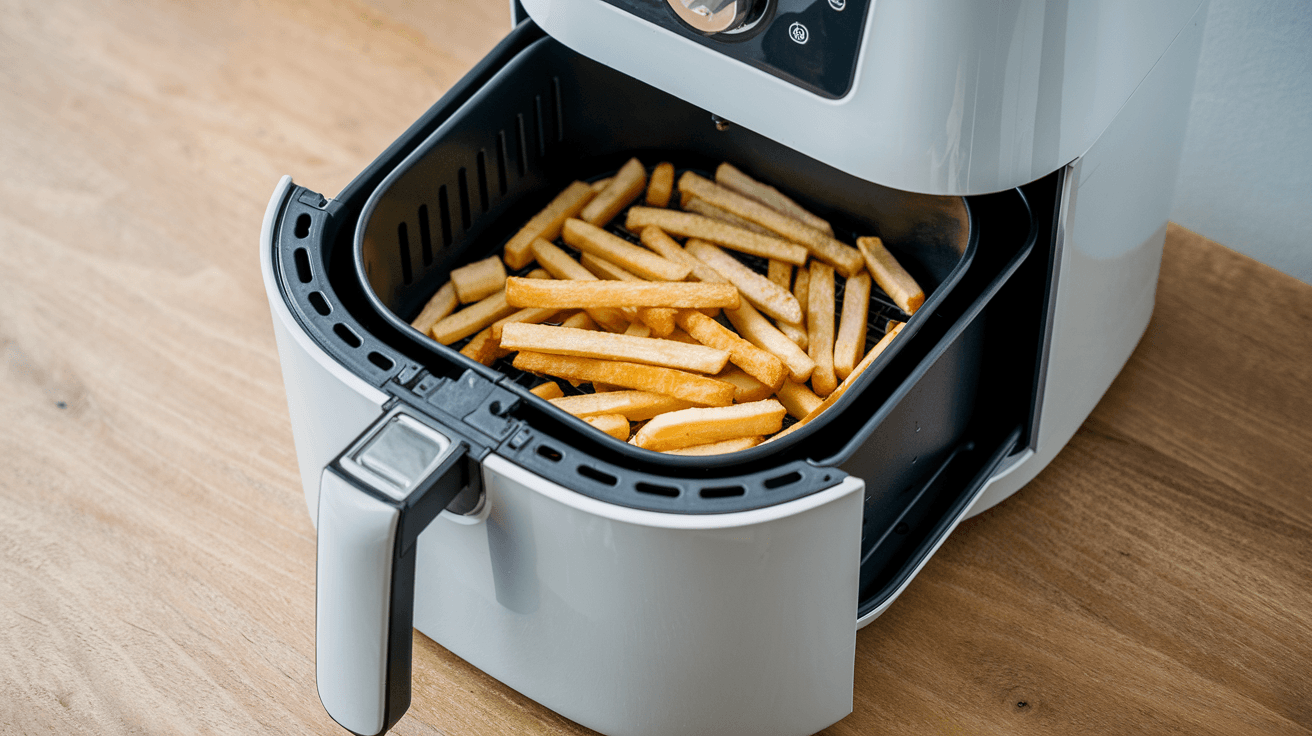
- Air fryers with ceramic or stainless steel baskets provide a non-toxic alternative for making healthier fries
- Traditional deep frying causes 8-15% oil absorption compared to just 0-3% with air frying
The Dark History of Non-Stick Cookware
The convenient non-stick coating we’ve welcomed into our kitchens for decades has a disturbing origin story few consumers know about. DuPont, the creator of Teflon, knew about the health risks associated with PFAS chemicals (per- and polyfluoroalkyl substances) used in their products since the 1960s but actively concealed this information from the public.
This corporate deception eventually led to a massive $670 million settlement in 2017 after DuPont was found responsible for contaminating drinking water in Ohio and West Virginia communities. Internal documents revealed the company had long understood the dangers but prioritized profits over public health.
The chemical compounds in question don’t break down naturally, earning them the nickname “forever chemicals” in the scientific community. These persistent substances accumulate in the human body and environment, with studies showing that approximately 99% of Americans now have detectable levels of PFAS in their bloodstreams.
Even more troubling is the industry’s response to growing awareness. Many companies now market products as “PFOA-free” while simply substituting similar toxic chemicals from the same PFAS family. This misleading tactic gives consumers a false sense of security while continuing to expose them to harmful substances.
The Hidden Health Costs of Your Non-Stick Pan
The convenience of non-stick cookware comes with serious health consequences that many users never connect to their kitchen tools. PFAS exposure has been linked to numerous health conditions, with research showing that people in high-exposure areas experience thyroid disease at 2.5 times the normal rate.
These chemicals don’t just affect the thyroid. Scientific studies have associated PFAS exposure with certain cancers, reduced fertility, liver damage, elevated cholesterol levels, and compromised immune system function.
Many individuals report experiencing chronic fatigue, persistent headaches, and unexplained hormonal imbalances that improved after removing non-stick cookware from their homes. The medical community often struggles to diagnose these symptoms because conventional testing doesn’t screen for chemical exposure.
Perhaps the most alarming evidence of these toxins’ potency is their effect on birds. When Teflon pans are overheated (above 500°F/260°C), they release fumes that can kill household pets within minutes, particularly birds with their sensitive respiratory systems. This phenomenon, documented since the 1980s, has led to the term “Teflon toxicosis” in veterinary medicine.
The chemicals responsible for these effects have extraordinary staying power in the human body. Some PFAS compounds have half-lives of 3-7 years, meaning they continue circulating and causing damage long after exposure has ended.
Air Fryers: The Safe Revolution in Your Kitchen
The rise of air fryers represents more than just a cooking trend—it’s a genuine health revolution. Modern air fryers with ceramic or stainless steel components offer a way to enjoy crispy, delicious foods without the toxic exposure associated with traditional non-stick cookware.
Unlike conventional deep fryers or non-stick pans, quality air fryers use rapid air circulation technology to create a crispy exterior without excessive oil. This technological approach dramatically reduces oil absorption—traditional deep-fried foods typically absorb between 8-15% oil by weight, while air-fried alternatives contain just 0-3%.
The health benefits extend beyond reduced oil consumption. Air fryers with proper temperature regulation prevent the formation of acrylamide, a potential carcinogen created when certain foods are cooked at high temperatures. Studies indicate that air-fried foods contain up to 80% less acrylamide compared to their traditionally deep-fried counterparts.
When shopping for a non-toxic air fryer, look for models specifically advertising PFAS-free construction. Brands using ceramic coatings, stainless steel baskets, or glass components offer the safest options for health-conscious consumers.
Building a Truly Non-Toxic Kitchen
While air fryers offer an excellent solution for making healthier fries and other crispy favorites, creating a fully non-toxic kitchen requires addressing all your cookware. Cast iron stands as the time-tested champion of safe cooking surfaces—it’s heavy and requires some maintenance, but it lasts generations while actually adding beneficial iron to your food.
Ceramic-coated cookware provides another PFAS-free option that works beautifully until it doesn’t. Most ceramic coatings begin to degrade after 1-2 years of regular use, requiring replacement more frequently than other alternatives.
Stainless steel cookware offers exceptional durability and safety, as it never releases toxins even when overheated. The learning curve comes with mastering the proper preheating and oil techniques needed to prevent food from sticking.
Glass and enamel-coated cast iron round out the safe options available to health-conscious cooks. These materials combine excellent heat distribution with completely inert cooking surfaces that won’t leach chemicals into your food.
The growing awareness about cookware toxicity has driven consumer demand for safer options, with searches for “non-toxic cookware” increasing by over 250% between 2018 and 2023. This consumer pressure has prompted major retailers like Target and Walmart to pledge the phasing out of PFAS-containing products, though implementation remains inconsistent across the industry.
Making the Switch: Practical Steps Toward Healthier Cooking
Transitioning to a non-toxic kitchen doesn’t require replacing everything overnight. Start with the items you use most frequently—typically your everyday pan and your primary method for making favorite foods like fries.
A high-quality non-toxic air fryer makes an excellent first investment, offering immediate health benefits through both reduced oil consumption and elimination of toxic exposure. Look for models with stainless steel baskets or ceramic coatings explicitly advertised as PFAS-free.
When replacing other cookware, prioritize items used at high temperatures, as these pose the greatest risk for releasing toxic compounds. Cast iron skillets and stainless steel pots provide versatile, durable alternatives to non-stick options.
Be wary of misleading marketing terms like “PFOA-free” that don’t address the full spectrum of harmful chemicals. The most trustworthy products will specifically state “PFAS-free” or list their exact materials (ceramic, stainless steel, cast iron) rather than using vague terminology.
Remember that proper use matters as much as the materials themselves. Even safe cookware can create health risks if misused—cast iron shouldn’t be used with acidic foods for extended periods, and any cookware used above its recommended temperature range can potentially create harmful compounds.
The Future of Kitchen Safety
The movement toward safer kitchen tools represents a significant shift in how we think about cooking technology. Wellness trends increasingly emphasize not just the nutritional content of foods but also the safety of the preparation methods and tools used.
Consumer advocacy has driven much of this change, with independent testing organizations now regularly screening products for PFAS and other concerning chemicals. This transparency gives shoppers the information needed to make truly informed decisions.
Manufacturers are responding to these demands with genuine innovation, developing new coating technologies that offer non-stick performance without harmful chemicals. The best companies now view safety as a fundamental design principle rather than a marketing checkbox.
As these safer technologies become more mainstream, prices continue to decrease, making healthy cooking appliances accessible to more consumers. What began as niche products for the health-conscious have evolved into mainstream options available at most major retailers.
The rising awareness about PFOA-free kitchenware has sparked important conversations about chemical regulation more broadly. Many consumers who began by researching cookware safety have become advocates for stronger chemical safety regulations across all consumer products.
Conclusion
The evolution of kitchen technology offers a rare opportunity to improve both health outcomes and culinary results simultaneously. Air fryer safety represents just one example of how thoughtful design can eliminate unnecessary risks while enhancing the cooking experience.
Making the switch to truly non-toxic cookware requires some investment and education, but the potential health benefits make it worth the effort. By prioritizing materials known to be safe and learning proper cooking techniques, you can enjoy delicious food without wondering what invisible chemicals might be making their way into your meals.
The next time you crave crispy, golden fries, you can make them with confidence, knowing that your choice of cooking method isn’t adding harmful substances to your food. That peace of mind might be the most satisfying ingredient of all.
Sources