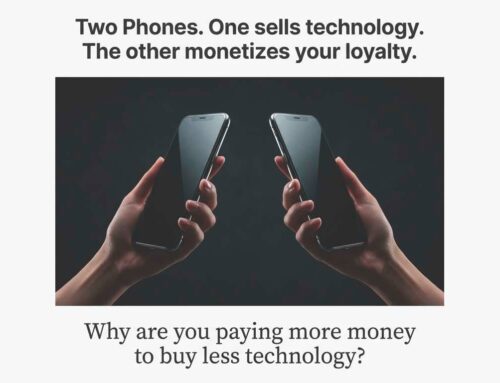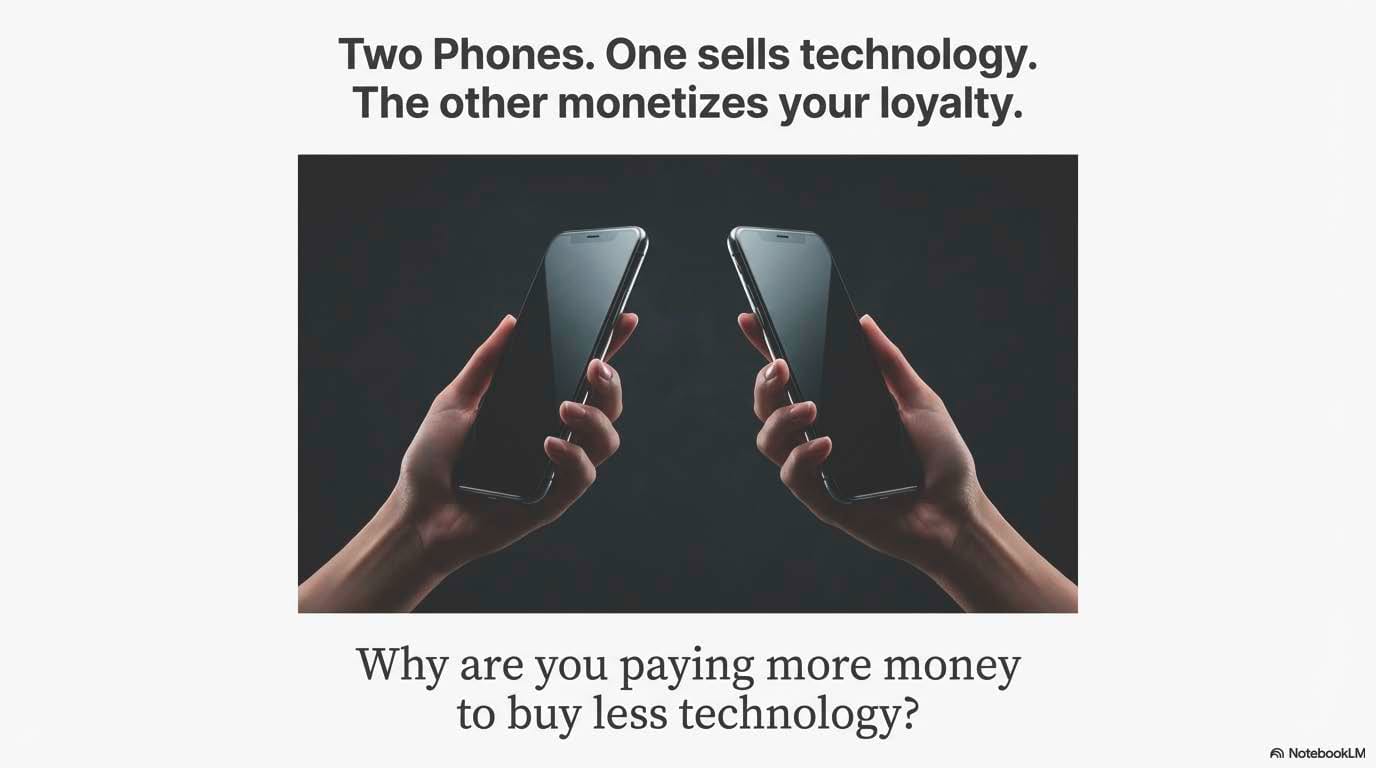
The dumb phone revolution has quietly transformed from a nostalgic novelty into a powerful cultural statement among elite circles. Silicon Valley executives who built our addictive digital ecosystems are now conspicuously rejecting their own creations, while Gen Z—the first truly digital-native generation—increasingly views constant smartphone connectivity as a badge of servitude rather than status.
Key Takeaways
- Status inversion has occurred as expensive smartphones shift from luxury symbols to markers of being algorithmically controlled
- Being deliberately unreachable now signals power and privilege more than constant connectivity
- Minimalist phones like the Light Phone II and Punkt MP02 have gained cult followings among tech elites
- Users report experiencing improved mental clarity and deeper personal connections after switching
- Most adopters use a hybrid approach rather than completely abandoning smartphones
This post contains affiliate links. As an Amazon Associate, I earn from qualifying purchases at no extra cost to you. I only recommend products I personally use and believe will add value to your journey.
How Your $1,500 Smartphone Became ‘Cringe’
The sleek smartphone that once signaled success has transformed into something entirely different. What was once a symbol of status and connectivity now increasingly represents being tethered to an addictive system designed to harvest your attention.
The statistics paint a sobering picture. Average Americans check their phones a staggering 352 times daily according to 2023 data—essentially surrendering nearly every waking minute to a digital tug that’s increasingly viewed as manipulation rather than convenience.
📦 Essential Digital Minimalism Tools
- 🔗 Light Phone II – Minimalist e-ink phone for essential functions only
- 🔗 Digital Minimalism by Cal Newport – The definitive guide to reclaiming attention
- 🔗 Nokia 2720 Flip – Budget-friendly basic phone with minimal features
As an Amazon Associate, I earn from qualifying purchases.
Perhaps the greatest irony lies in who’s leading this cultural shift. The very Silicon Valley designers and developers who created our addictive digital ecosystems are now the first to reject them. They’ve seen behind the curtain and recognize the psychological manipulation embedded in the platforms they built.
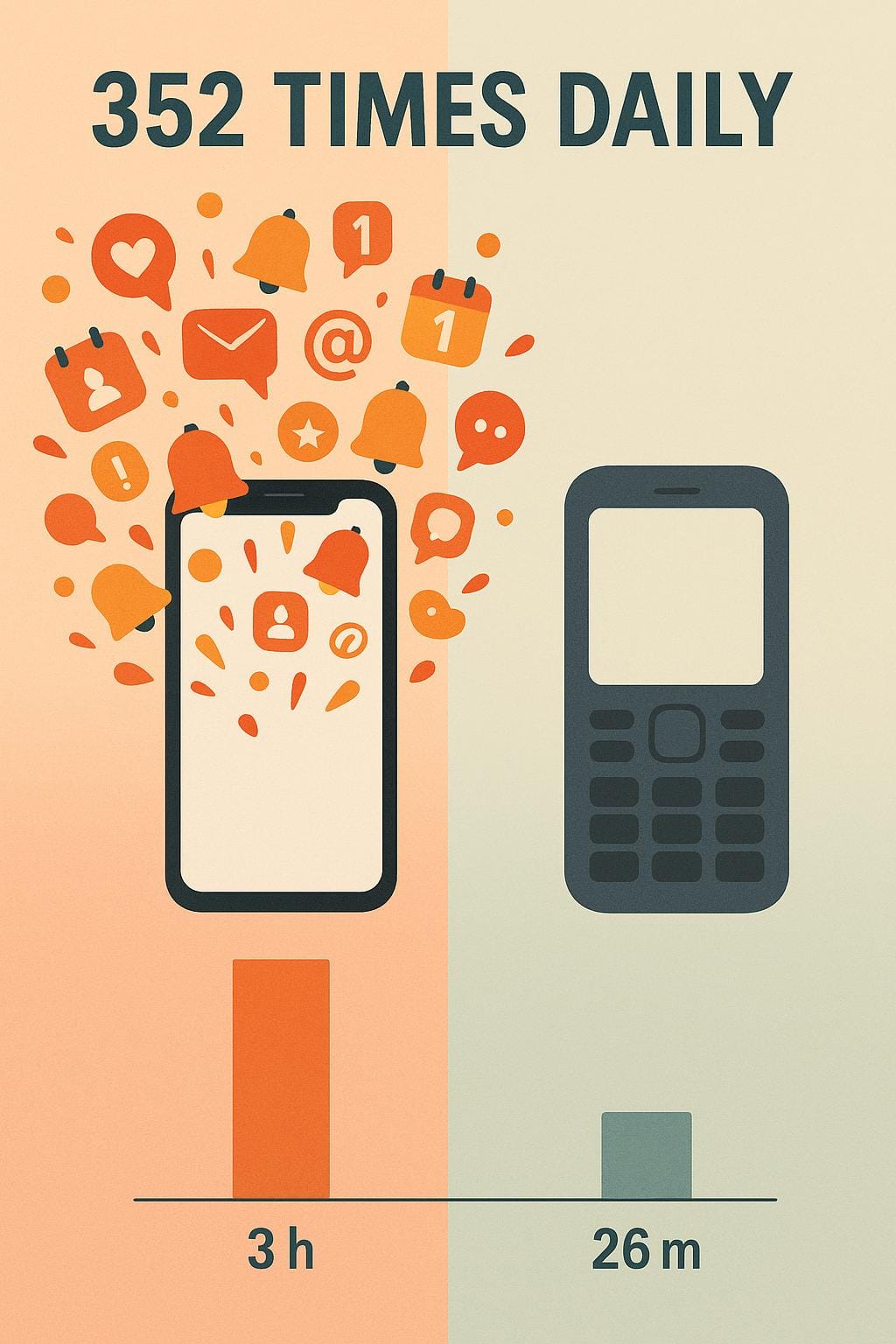
This rejection represents a growing rebellion against what many now call the “attention economy” — a system where your focus is the product being sold. The endless dopamine loop of notifications, likes, and algorithmic feeds feels increasingly like manipulation rather than connection.
The New Status Symbol: Being ‘Unreachable’
Today’s ultimate luxury isn’t a faster processor or better camera—it’s the freedom to be unavailable. The ability to disconnect has become the new marker of privilege and power, signaling that you control your time rather than being controlled by digital demands.
High-profile tech executives showcase this trend prominently. Justin Rosenstein, who helped create Facebook’s ‘Like’ button, now restricts his own technology use. Tristan Harris, Google’s former design ethicist, has become a leading voice against addictive tech, founding the Center for Humane Technology and practicing digital minimalism himself.
After testing dozens of options, I found this specific Punkt phone model works best because it maintains essential connectivity while eliminating distractions.
Elite gatherings increasingly feature “airplane mode zones” and phone-free policies—not as inconveniences but as premium experiences. Meanwhile, Gen Z has developed a surprising skepticism toward constant connectivity, viewing it as a form of servitude rather than importance.
On social platforms, hashtags like #SlowLiving and #DigitalMinimalism have exploded, creating the paradoxical situation where people use social media to celebrate escaping social media. This aspiration for “attention wealth” represents a profound shift in what we consider valuable.
Related Guides: Check out our guide to mastering your personal algorithm for more helpful tips and insights.
The ‘Dumb Phone’ Menu: What Are People Actually Using?
The market for minimalist phones has expanded dramatically, offering options across various price points and functionality levels. The Light Phone II ($299) has developed a cult following for its intentionally limited functionality and elegant e-ink display that supports only calls, texts, alarms, music, and directions.
For those seeking Swiss design aesthetics, the Punkt MP02 ($379) offers a minimalist experience focused on calls and texts with 4G capability. The device embodies intentional technological constraint with its clean interface and purposeful limitations.
| Product | Best For | Key Feature | Price Range | Shop Now |
|---|---|---|---|---|
| Light Phone II | Digital Minimalists | E-ink Display | $299 | View Deal |
| Punkt MP02 | Design Enthusiasts | Swiss Minimalism | $379 | View Deal |
| Nokia 2720 Flip | Budget Conscious | Nostalgic Design | $89.99 | View Deal |
| Unihertz Jelly 2 | Hybrid Users | Tiny Smartphone | $200 | View Deal |
As an Amazon Associate, I earn from qualifying purchases.
Budget-conscious adopters often turn to the Nokia 2720 Flip ($89.99), which marries nostalgic design with basic modern functionality. For those seeking a middle ground, the tiny Unihertz Jelly 2 ($200) offers full Android capabilities in a deliberately small form factor that discourages extended use.
Many people also implement DIY approaches with their existing smartphones, using screen time limits, grayscale mode, and app blockers. The aesthetic appeal of minimalist devices isn’t accidental—their clean, simple designs provide a visual counterpoint to increasingly complex and attention-grabbing smartphones.
It’s Not a Detox, It’s a “Re-sensitization”
The most committed dumb phone users don’t view their choice as a temporary cleanse but as a fundamental recalibration of their relationship with technology. The science supports this approach: reducing constant digital stimulation actually changes brain reward systems over time.
Currently on sale, this bestseller by Cal Newport rarely drops below $15 and offers the definitive framework for intentional technology use.
Psychological research demonstrates significant benefits including improved attention spans, better sleep quality, and reduced anxiety levels. Users consistently report heightened sensory experiences and greater presence after reducing their digital dependencies.
The contrast between a temporary “digital detox” and permanent “tech intentionality” is substantial. Where detoxes often lead to unchanged habits after completion, re-sensitization creates a new baseline for how technology serves your life rather than dominates it.
Related Guides: Learn more about how AI curates your digital experience for deeper insights.
How to Try It (Without Losing Your Job)
Most dumb phone enthusiasts recommend a gradual, hybrid approach rather than going cold turkey. The “weekend flip phone” approach offers an accessible entry point—using a basic device during personal time while maintaining smartphone access for work.
Time-blocking provides another effective strategy, setting specific hours for smartphone use and intentional offline periods. This creates boundaries around technology use without completely eliminating its benefits.
If you’re on a budget, this alternative Nokia phone delivers 80% of the minimalist experience at a quarter of the price of premium options.
Creating phone-free zones in your home establishes physical boundaries for technology. Many users designate bedrooms and dining areas as sacred spaces free from digital intrusion.
Finding your “tech sweet spot” requires determining which digital tools genuinely add value versus those that simply consume attention. The goal isn’t technological abstinence but rather a relationship with devices based on conscious choice rather than compulsion.
Related Guides: For practical implementation, check out our guide on digital detox for people who can’t actually detox.
🛠️ My Complete Digital Minimalism Toolkit
Here’s everything I personally use and recommend:
Essential
Nice to Have
As an Amazon Associate, I earn from qualifying purchases.
Sources
Center for Humane Technology research
Pew Research Center digital trends data
Light Phone and Punkt company websites
Digital Minimalism by Cal Newport
Nielsen and similar market research on smartphone usage patterns
Gen Z trend analysis from sources like YPulse and Morning Consult