
Finding yourself with no motivation isn’t a personal failure – it’s a normal human experience that happens to everyone, especially during seasonal transitions. The darker, colder months can trigger a fall slump that affects your energy, mood, and desire to stick with healthy habits. Understanding what’s happening in your body and brain during these periods can help you navigate low-motivation phases with more self-compassion and practical strategies.
Key Takeaways
- Seasonal changes naturally affect your motivation levels due to biological factors like serotonin and melatonin fluctuations
- The “no excuses” fitness culture promotes shame-based motivation that actually fails 80% of the time
- Just 10-15 minutes of gentle exercise can improve your mood by increasing endorphin levels
- Working with your current motivation level instead of fighting against it leads to more sustainable activity patterns
- Self-compassion during low motivation periods promotes better mental health and long-term consistency
The Winter Motivation Slump: You’re Not Alone
If you feel your motivation taking a nosedive as the days get shorter, you’re experiencing something deeply biological. Seasonal Affective Disorder affects approximately 5% of adults in the U.S. severely, with up to 20% experiencing milder forms of winter blues.
The science behind this seasonal shift is clear: reduced sunlight exposure affects your brain’s production of serotonin (the “feel-good” neurotransmitter) and disrupts melatonin levels that regulate sleep. These chemical changes directly impact your energy levels, mood, and motivation to engage in activities you normally enjoy.

📦 Top Picks for Seasonal Mood Support
- 🔗 Verilux HappyLight for morning light therapy
- 🔗 Nature Made Vitamin D3 for winter nutritional support
- 🔗 Weighted blanket for better sleep and anxiety relief
As an Amazon Associate, I earn from qualifying purchases.
The Problem With “No Excuses” Fitness Culture
When your motivation plummets, you might be tempted to follow the “push through it” approach championed by mainstream fitness culture. However, studies show that shame-based motivation tactics have an 80% failure rate for long-term behavior change according to health psychology research.
The fitness industry generates over $30 billion annually, partly by promoting unrealistic standards and guilt-driven messaging. This approach might work temporarily, but ultimately creates a negative relationship with movement that’s counterproductive when your motivation is already low.
Research consistently shows that self-compassionate approaches lead to more consistent exercise habits than self-criticism. When you treat yourself with kindness during low-motivation periods instead of harsh judgment, you’re actually more likely to maintain some level of activity.
Embracing Gentle Movement: A Different Approach
Instead of forcing yourself into intense workouts when your motivation has vanished, consider the power of gentle exercise. Studies show that just 10-15 minutes of low-intensity movement can improve your mood by increasing endorphin levels by up to 30%.
Research from the American Journal of Lifestyle Medicine demonstrates that accumulating small movement throughout the day provides 70-80% of the benefits of structured workouts. This approach – sometimes called “movement snacking” – means taking short movement breaks that add up to significant health benefits without requiring the mental energy of a full workout session.
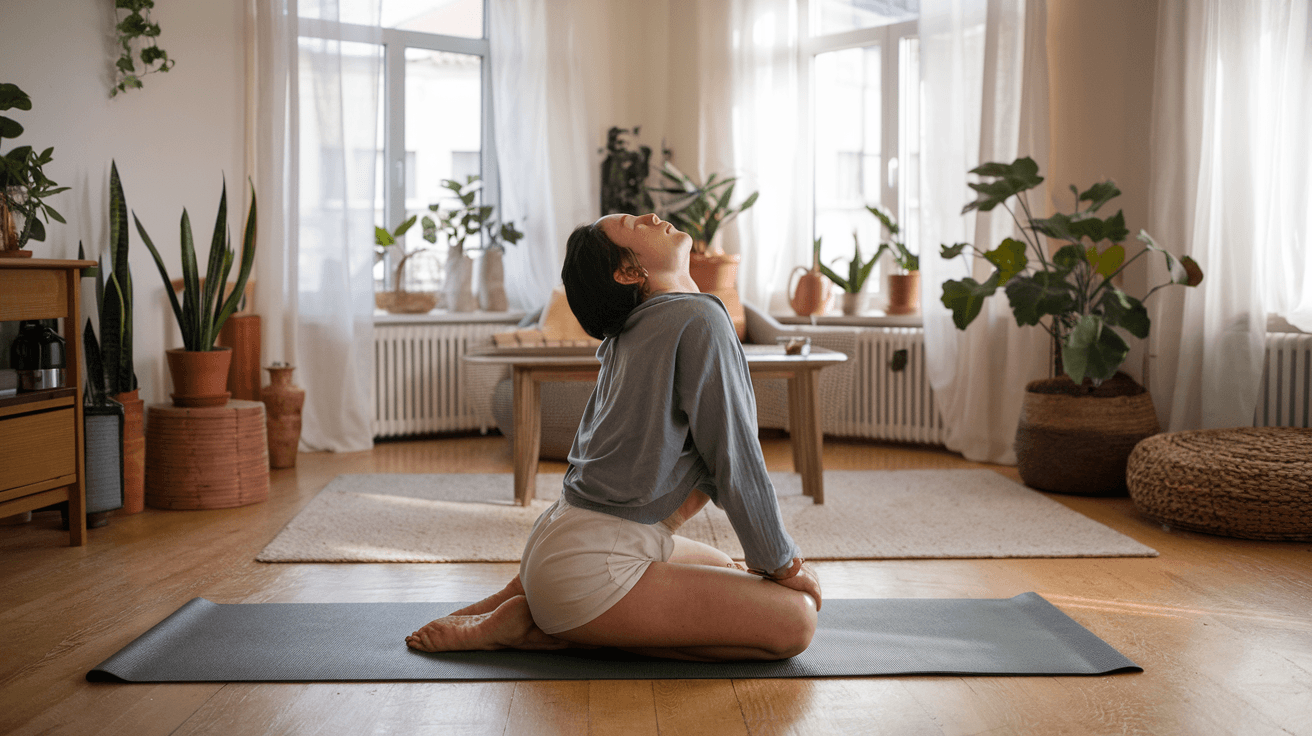
📦 Essential Tools for Gentle Movement
- 🔗 Gaiam Extra-Thick Yoga Mat for comfortable home practice
- 🔗 Resistance bands set for low-impact strength training
- 🔗 Yoga With Adriene DVD for beginner-friendly home sessions
As an Amazon Associate, I earn from qualifying purchases.
Small Steps, Big Impact: Working With Your Motivation (Not Against It)
During low motivation periods, the key is to work with your current state rather than fighting against it. Even brief 5-minute movement sessions can reduce stress hormones by up to 25%, making them worth doing even when you don’t feel like exercising.
Some practical ways to incorporate gentle movement when motivation is low include:
- Dancing to one favorite song in your kitchen
- Stretching during TV commercial breaks
- Taking a 10-minute walk around your neighborhood
- Doing a 5-minute gentle yoga sequence before bed
- Standing up and moving for 2 minutes every hour while working
Research shows that people who adopt a flexible approach to exercise are 63% more likely to maintain activity levels year-round. This self-compassion in fitness means acknowledging that your motivation will naturally fluctuate, and adjusting your movement expectations accordingly.
Seasonal Depression and Self-Care
If your motivation drop coincides with seasonal depression symptoms, consider implementing specific self-care strategies. Regular exposure to natural light in the morning hours can help regulate your circadian rhythm and improve mood, even on cloudy days.
Combine gentle movement with other science-backed approaches for managing fall slump symptoms: maintain social connections, prioritize regular sleep patterns, and consider speaking with a healthcare provider about whether light therapy or other interventions might be helpful. Remember that seeking support for mental health concerns is a sign of strength, not weakness.
📦 Additional Resources
- 🔗 The Upward Spiral book for understanding depression neuroscience
- 🔗 Essential oil diffuser for mood-enhancing environment
- 🔗 Calm app subscription for guided meditation support
As an Amazon Associate, I earn from qualifying purchases.
Embracing Imperfection: The Path to Sustainable Health
Perhaps the most important insight from modern mental health and motivation research is that perfection isn’t sustainable – or even desirable. The all-or-nothing thinking that leads us to believe we must either maintain perfect fitness habits or do nothing at all is fundamentally flawed.
Instead, cultivating unfiltered health means accepting the natural ebbs and flows of your motivation and energy levels. By lowering the bar during difficult periods rather than abandoning movement altogether, you build resilience and consistency that serves your long-term wellbeing far better than sporadic periods of intense activity followed by complete inactivity.
Sources
American Psychological Association: Seasonal Affective Disorder
Harvard Health: The Importance of Movement
National Center for Biotechnology Information: Effects of Exercise on Mental Health
American Journal of Lifestyle Medicine: Movement Accumulation